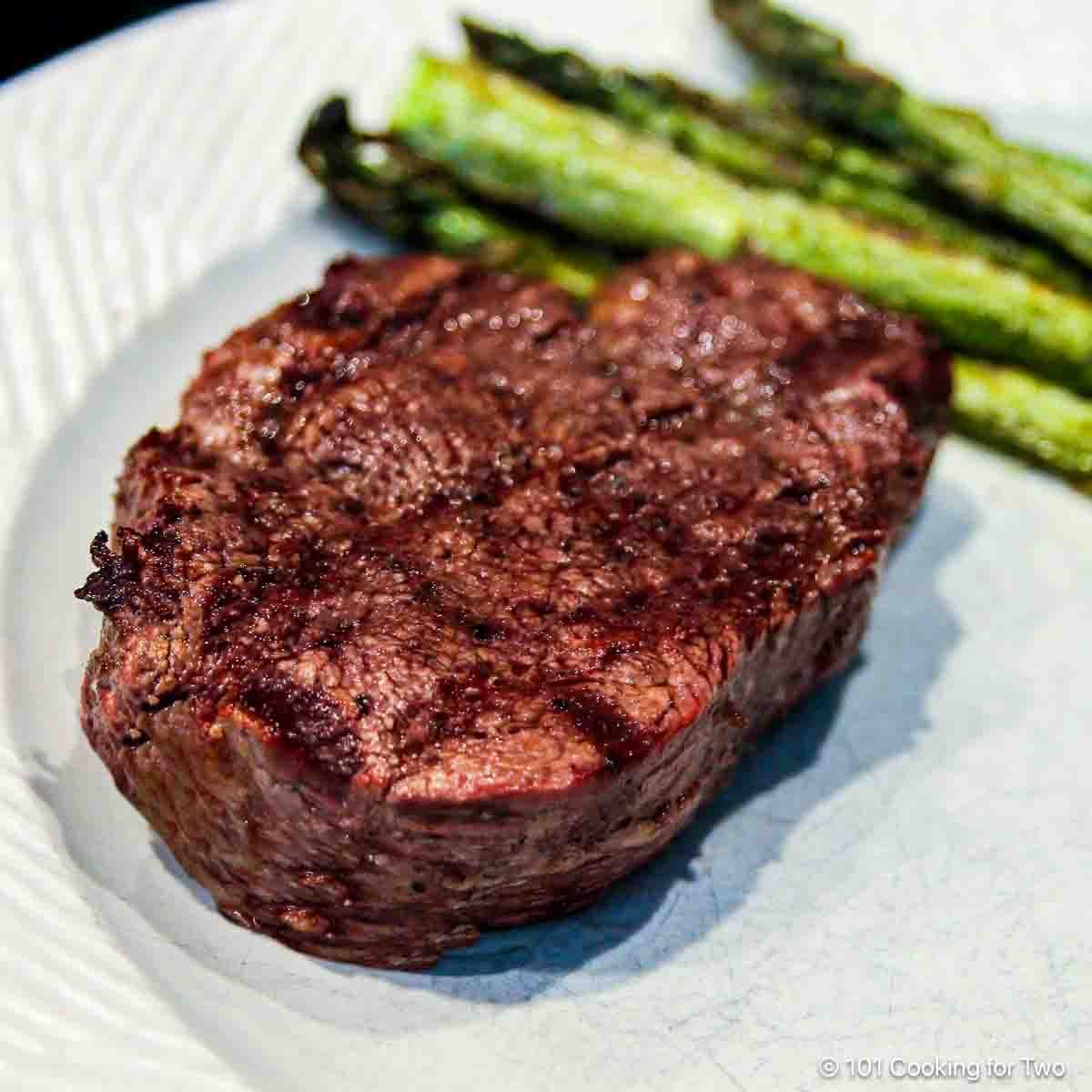
Foolproof Grilled Filet Mignon: Juicy, Tender Steaks in 5 Steps
Envision biting into a perfectly cooked, unbelievably tender, and exquisitely juicy steak, right in the comfort of your own home. For many, grilling a filet mignon seems like a daunting task, best left to the seasoned pros in high-end steakhouses. But what if we told you that achieving steakhouse-quality grilled filet mignon is not only possible but surprisingly simple with just a few key techniques? This comprehensive guide will demystify the process, transforming you from a steak novice to a confident grill master in no time. Get ready to impress yourself and your guests with a meal that’s both luxurious and achievable.Why Choose Filet Mignon for Grilling?
Filet mignon, French for "dainty fillet," is renowned for its unparalleled tenderness and delicate, buttery flavor. This cut, sourced from the smaller end of the beef tenderloin, comes from a muscle that does very little work, resulting in its signature melt-in-your-mouth texture. Its mild flavor makes it an ideal canvas for simple seasonings and rich accompaniments, allowing the quality of the beef to shine through. While often associated with special occasions, the truth is, grilling filet mignon doesn't require a culinary degree. Its inherent tenderness means it cooks relatively quickly and forgivingly, provided you follow a few essential steps. For optimal results, aim for steaks that are approximately 2 inches thick. This thickness allows for a beautiful sear on the exterior while achieving your desired internal doneness without overcooking the center. Thinner cuts can still be delicious but will require quicker cooking times, so be prepared to adjust accordingly.Essential Preparations for Perfect Grilled Filet Mignon
Success on the grill begins long before the steak ever touches the grates. These preparatory steps are crucial for ensuring your filet mignon is juicy, tender, and bursting with flavor.- Pat Dry & Season Generously: This step cannot be overstated. Use paper towels to thoroughly pat your steaks dry on all sides. Moisture on the surface will steam the meat instead of searing it, preventing that coveted crispy crust. Once dry, generously coat all surfaces with coarse kosher salt and freshly ground black pepper. These are the fundamental seasonings that truly enhance the steak's natural flavor. Feel free to add your favorite steak rubs if desired, but salt and pepper are truly all you need for an outstanding result.
- Oil for Sear and Stick Prevention: Lightly coat the seasoned steaks with olive oil, canola oil, or vegetable oil. This not only helps achieve a beautiful, even sear but also prevents the meat from sticking to the grill grates.
- Bring to Room Temperature: Allow your seasoned and oiled steaks to sit at room temperature for 30-45 minutes before grilling. This crucial step promotes even cooking throughout the steak. Cold steaks will cook unevenly, leading to a gray band on the outside and a rarer center, rather than a uniform doneness.
- Tie the Steaks (Optional, but Recommended): For very thick or irregularly shaped filets, wrapping a piece of kitchen string snugly around the middle helps the steak maintain its round shape and ensures more even cooking. It’s a small detail that makes a big difference in presentation and consistency.
Mastering the Grill Setup: Two-Zone Cooking Explained
The secret to perfectly cooked, tender grilled filet mignon with a beautiful sear lies in mastering two-zone grilling. This technique allows you to achieve a high-heat sear for flavor and crust, followed by gentle, indirect cooking to reach your desired doneness without burning the exterior.- Clean and Oil Your Grates: Always start with clean grill grates. Use a grill brush to remove any residue, then lightly oil the grates. This prevents sticking and ensures those attractive grill marks.
- Preheat to Perfection: Preheat your grill to a high temperature, aiming for 450°F-500°F. This typically takes 10-15 minutes for both gas and charcoal grills.
- Set Up Two-Zone Heat:
- For a Charcoal Grill: Pile your hot coals on one side of the grill for direct, high heat. Leave the other side empty for indirect, lower heat.
- For a Gas Grill: Turn half of your burners to high for direct heat and leave the other half off or on low for indirect heat.
The 5-Step Grilling Process: From Sear to Serve
Now for the main event! Follow these five steps to grill a foolproof filet mignon every single time.Step 1: The Initial Sear
Place your prepared steaks directly over the high heat zone of your preheated grill. Close the lid to help build internal temperature and facilitate the searing process. Sear for 2-3 minutes per side. You're looking for a deep, rich brown crust to develop. This initial high-heat exposure caramelizes the exterior, locking in juices and developing incredible flavor through the Maillard reaction.
Step 2: Move to Indirect Heat
Once both sides have a beautiful sear, transfer the steaks to the indirect heat zone. Close the lid and continue cooking, allowing the steaks to slowly come up to your desired internal temperature without burning the outside. This is where the magic of two-zone grilling really shines, ensuring even cooking and tenderness.
Step 3: The Flavorful Butter Baste
Around halfway through the indirect cooking process, it’s time to elevate the flavor with a rich basting butter. Melt butter with minced garlic and a sprig or two of fresh thyme or rosemary. Using a basting brush, liberally baste the steaks with this aromatic butter every couple of minutes as they finish cooking. This infusion of garlic, herbs, and butter adds incredible depth, moisture, and a luxurious sheen to your filet mignon.
Step 4: Monitoring Doneness with a Thermometer
This is arguably the most crucial step for achieving your perfect steak. Relying on touch alone can be deceptive. A high-quality instant-read meat thermometer is your best friend. Insert it into the thickest part of the steak, avoiding any bone if present. Here’s a guide to target internal temperatures (remember, the temperature will rise slightly during resting):
- Rare: 120-125°F
- Medium-Rare: 130-135°F (Our recommended doneness for filet mignon)
- Medium: 140-145°F
- Medium-Well: 150-155°F
Remove the steaks from the grill when they are about 5°F below your target temperature.
Step 5: Rest and Serve
Once your steaks reach their desired temperature, immediately transfer them to a cutting board and tent them loosely with foil. Let them rest for 5-10 minutes. This resting period is critical! It allows the muscle fibers to relax and the juices, which have been pushed to the center during cooking, to redistribute throughout the steak. Skipping this step will result in juices flowing onto your cutting board instead of remaining in your steak, leading to a drier, less flavorful bite.
After resting, slice and serve your magnificent grilled filet mignon. A simple red wine reduction, a dollop of herbed compound butter, or even just a sprinkle of flaky sea salt can further enhance the experience. Pair it with your favorite sides, such as roasted asparagus, creamy mashed potatoes, or a fresh garden salad, for a truly unforgettable meal.
Pro Tips for Elevated Grilled Filet Mignon
- Compound Butter: Beyond simple basting, prepare a compound butter in advance by mixing softened butter with finely chopped garlic, fresh herbs (rosemary, thyme, chives), and a pinch of salt. Place a pat on each rested steak for an extra burst of flavor as it melts.
- Red Wine Sauce: As mentioned in our inspiration, a luscious red wine sauce can take your filet mignon to the next level. You can easily prepare a quick pan sauce using the fond (browned bits) from the grill or a separate skillet, deglazing with red wine, and reducing it with beef broth and a pat of butter.
- Perfect Pairings: Filet mignon pairs beautifully with robust red wines like Cabernet Sauvignon, Merlot, or a bold Zinfandel.
- Don't Overcook: Given its low fat content, filet mignon can dry out if overcooked. A meat thermometer is your ultimate safeguard against this culinary mishap.
